Recognizing the early signs
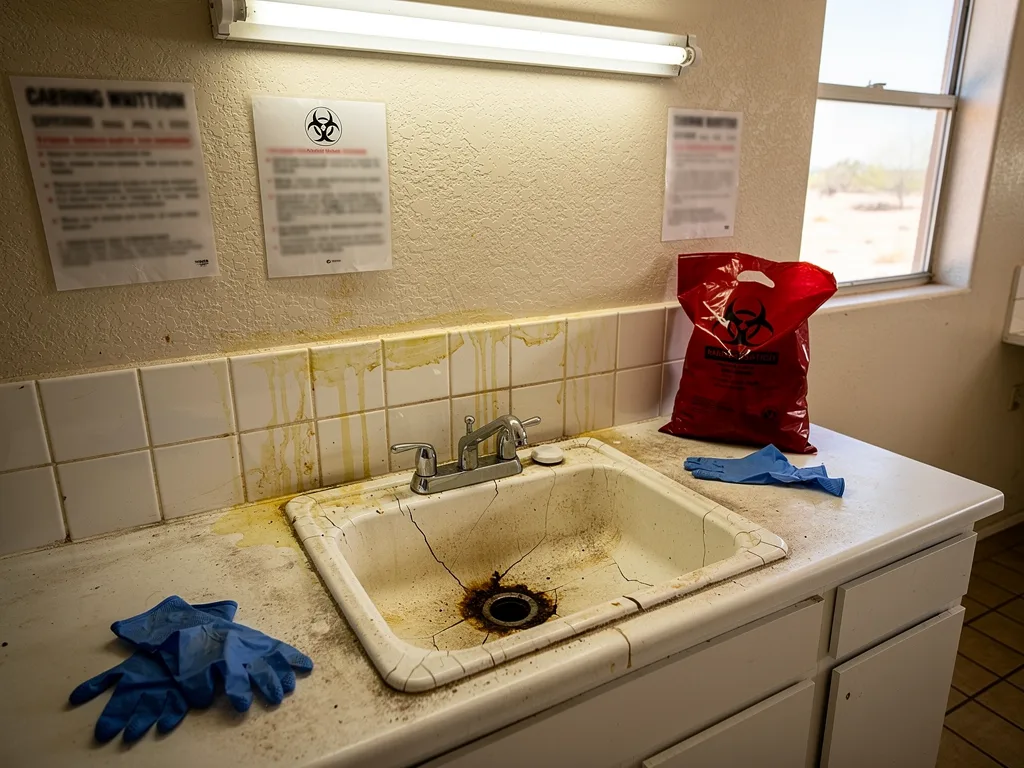
In a Phoenix home, biohazard concerns often start subtle. A persistent, sour or chemical odor can linger even after airing out a space. You might notice damp textures on walls or floors, especially in basements or under sinks. Blood-like stains, unusual discoloration, or crumbly residue near living areas can also indicate a problem that needs professional eyes. These cues aren’t normal wear and require careful assessment by a biohazard remediation technician.
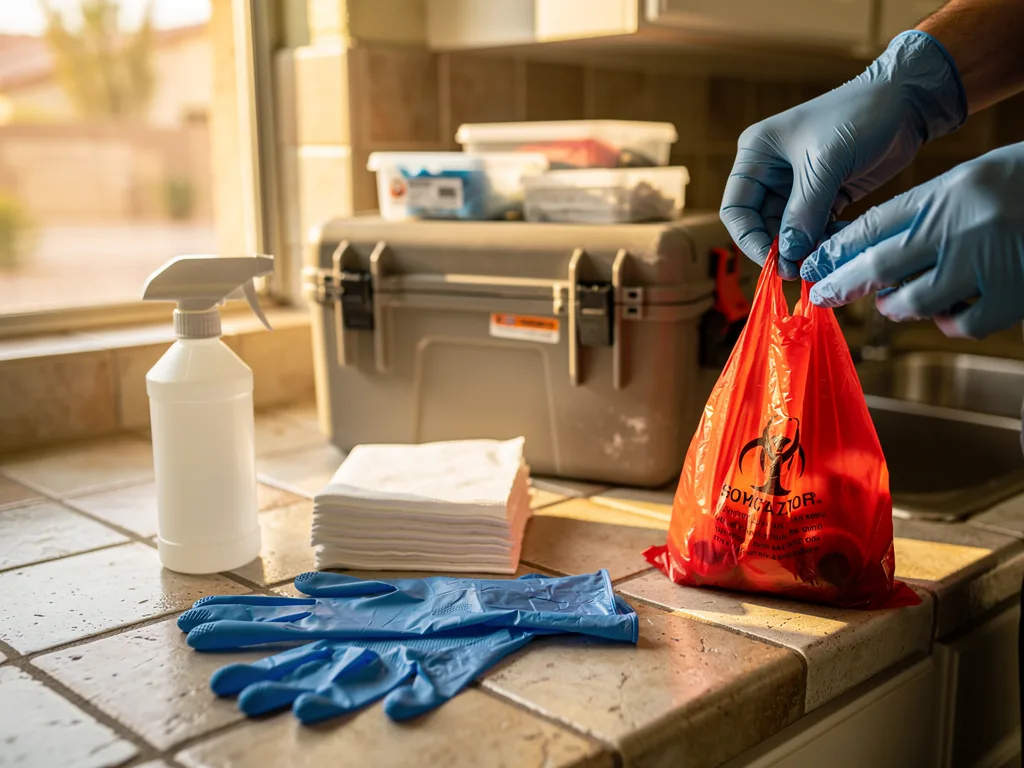
Another common signal is visible debris that seems out of place or protected areas where cleanup isn’t straightforward. If you see material that resembles feces, damaged materials with a strong odor, or if someone in the home has a compromised immune system, it’s time to evaluate the risk and call in the experts. Phoenix Biohazard Cleanup handles these situations with a focus on safety, containment, and proper disposal.
What it means for your space
Warning signs don’t just point to a surface issue. They hint at potential microbial growth, organic residue, or hazardous materials that can affect air quality. In hot Phoenix weather, high humidity can accelerate mold growth and the spread of contaminants through air and touches. If you notice a change in air feel, irritation, or headaches after being in a room, consider a professional assessment. Biohazard remediation technicians use careful containment measures to protect other areas of the home while evaluating the source.
Early intervention matters. A quick, measured approach helps prevent deeper contamination and lowers the risk to your household. When in doubt, a call to Phoenix Biohazard Cleanup can help you understand what you’re dealing with and what the next steps should be.
What to do now
Don’t try to scrub away unknown residues or mix cleaners in a confined space. Keep children and pets away from the affected area. If you can, open windows for ventilation while you arrange a professional assessment. Have a record of when you first noticed the issue and any recent events that could relate to it, such as a spill or drainage problem. A biohazard remediation technician will review your notes and perform a safe, contained evaluation.
Quick check list
• Note odors, stains, and accessibility issues. • Record areas with dampness or unusual textures. • Prevent access and avoid cleaning guesses in the area. • Contact a local specialist for a thorough assessment.